Tuesday’s Overlooked Film: Woman in the Window (1944)

Hope everyone had a restful and enjoyable holiday weekend. Well I am back with my latest edition of the weekly series, Tuesday’s Overlooked Film. Again, special thanks to Todd Mason of Sweet Freedom for collecting all the contributions.

This week, I thought I had a film all lined up, but then I read a post by frequent commenter to this site, ‘Jack Deth,’ on the website, Front Room Cinema. His post was about the Top Ten Femme Fatales. As one may have guessed, many of them came from the film movement/genre known as film noir. That immediately put me in a noir-ish mood, having also just recently sat through TCM’s ‘Noir Christmas.’
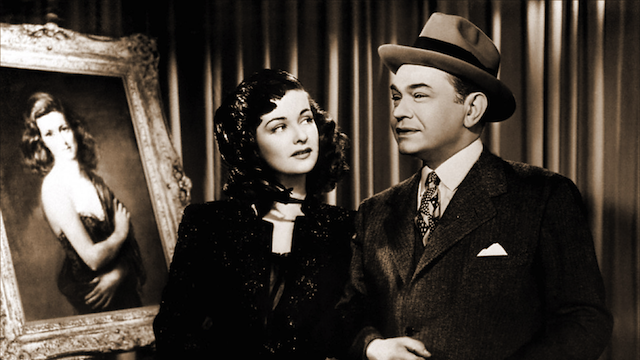
This inspiration lead me to the 1944 feature, The Woman in the Window, directed by Fritz Lang. It starred Edward G. Robinson, Joan Bennett and Dan Duryea. It is based on J. H. Wallis’ novel Once Off Guard.

At the beginning of the film, our protagonist, the milquetoast Professor Wanley (Robinson) is headed towards his gentlemen’s club while his family is away. He passes a shop window and sees an oil painting of the lovely Alice Reed (Bennett). After a night in the club, Wanley departs only to run into the subject of the painting in the flesh. This chance encounter leads Wanley and the audience on an unexpected journey that comes to a shocking conclusion.

At the time of its release, The Woman in the Window was a minor critical and commercial success. But as with many things, over time, this film became forgotten by the masses – with the exception of the most ardent of noir fans.

This principle cast and director would collaborate again in 1945′s Scarlet Street.

Favorite Films Set in Berlin


As many readers may know, I have recently returned from a trip to London. A natural consequence of my excursions is a renewed wanderlust – no sooner am I back in the States am I contemplating my next trip.

After some deliberation and consideration I have decided on Central Europe. In anticipation of this trip, I have put together a list of my favorite films from each of the cities I plan to visit. Over the next several months I will compile lists of my favorite films from each of these locales.

The first location I will focus on is Berlin. The criteria I have used in the case of Berlin is a bit loose in that the film only needed to be set in Berlin and not necessarily shot there – although I think that at minimum that criteria is met.

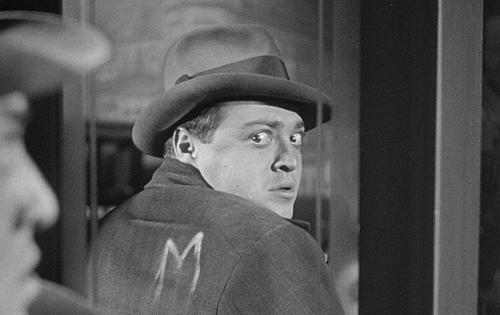
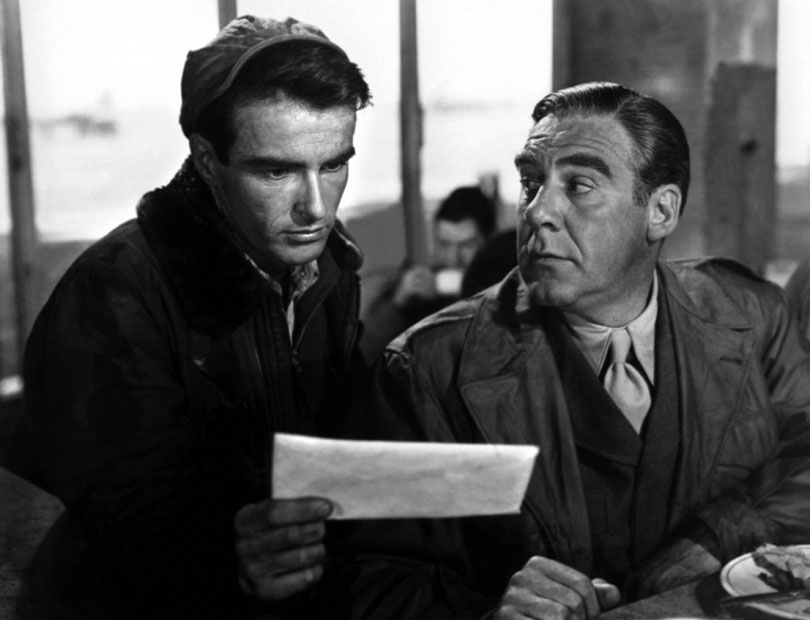
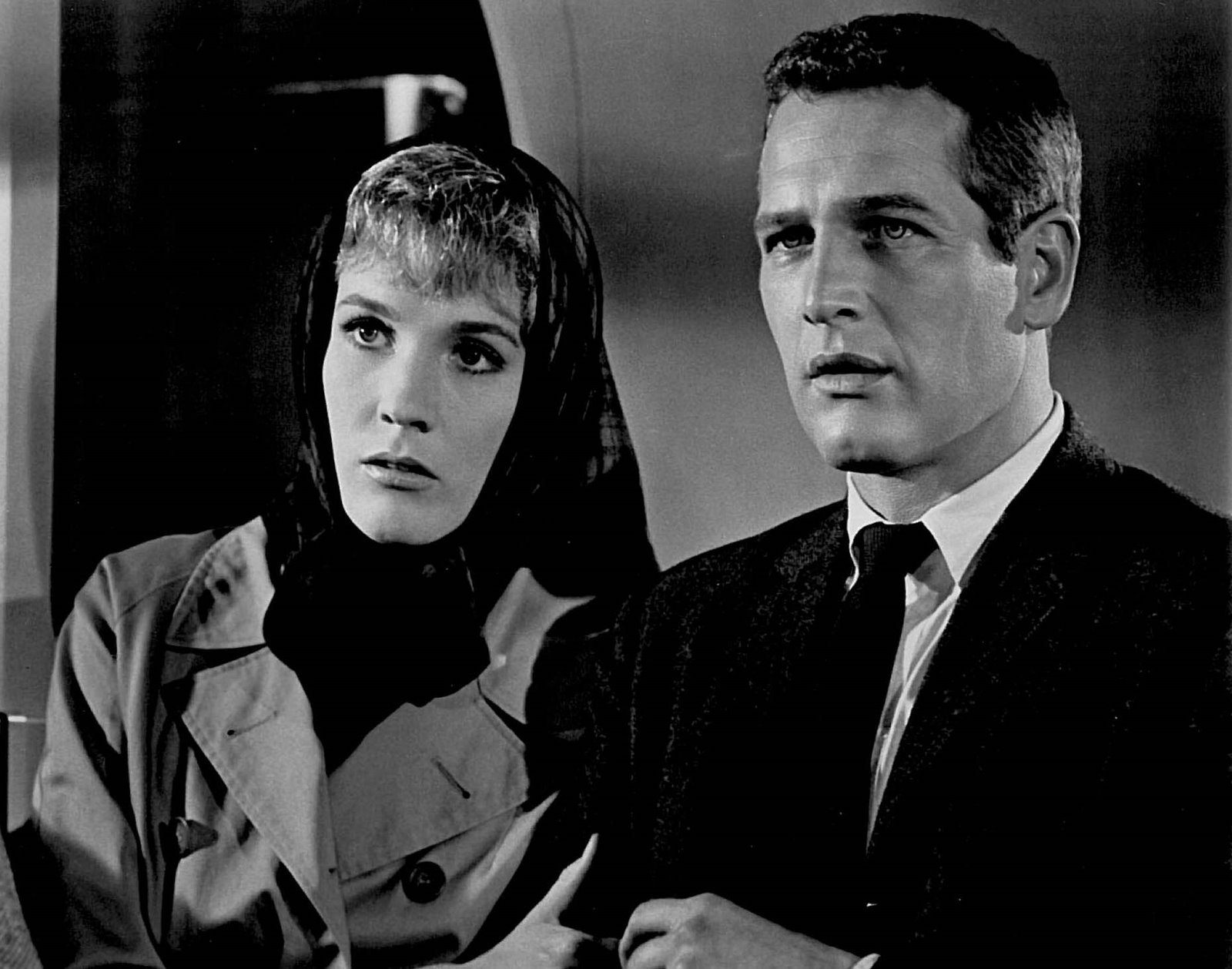
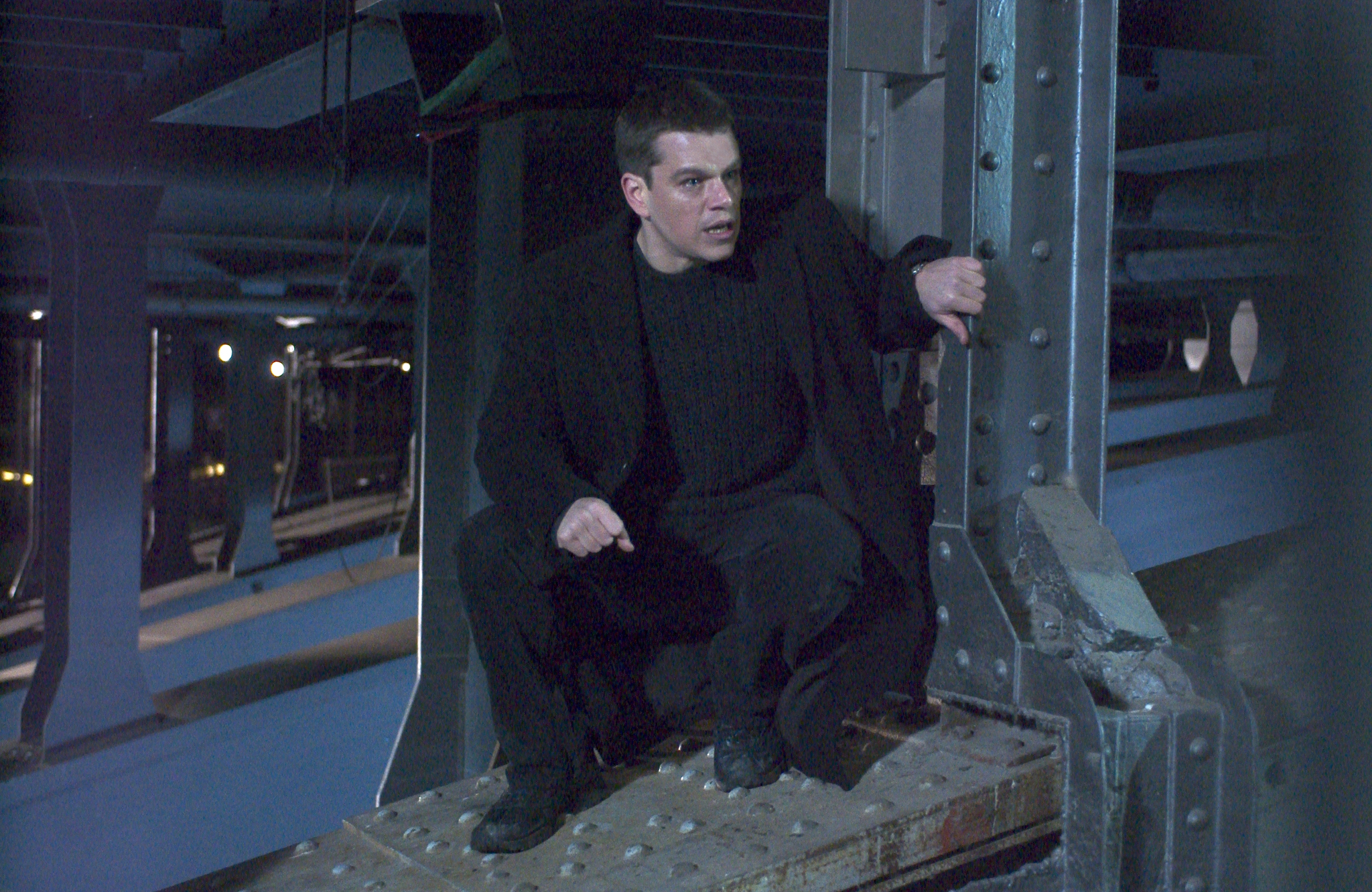
Without further ado .. here are my SIX films (stills below):

M (Fritz Lang, 1931) German Expressionism at its finest.


A Foreign Affair (Billy Wilder, 1948) Fine example of what a romantic comedy should be. The film was principally shot in Soviet occupied zone (source: Wikipedia). Features one of my favorite leading ladies of the era, Jean Arthur.


The Big Lift (George Seaton, 1950) As the title suggests, the Big Lift  takes places during the Berlin Air Lift (1948-9). Shot on location in Berlin, really seems to capture the scale of devastation and the recovery efforts made post-war.


Torn Curtain (Alfred Hitchcock, 1966) While not one of his finest outings, there are some great set pieces. One that immediately springs to mind is the scene where Paul Newman and a civilian go about the very difficult task of killing a baddie. According to Hitchcock, he wanted to show just how difficult it is to kill someone. This also marks the one-time-only pairing of one of my favorite directors and actors (Newman).


Bourne Supremacy (Paul Greengrass, 2004) A frenetically paced spy-story. In many ways, breathed new life into a somewhat stale genre.


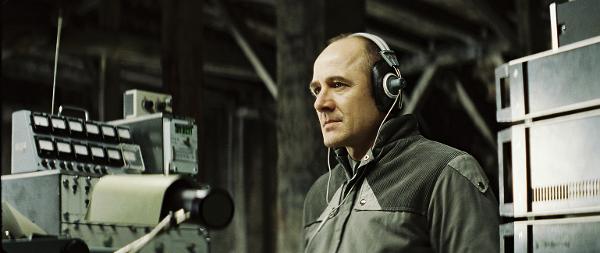
The Lives of Others or Das Leben der Anderen in German (Florian Henckel von Donnersmarck, 2006) Don’t know what to say about this film except that I really really liked it. It was my first glimpse into seeing what life in GDR was probably like.


What do you think of the list? Is there anything that you think I left out? And before anyone says Wings of Desire or Run Lola Run please note I have not seen either (I know, for shame!)


UPDATE: Honorable mention to The Edukators and The Baader Meinhof Complex

While the City Sleeps by Fritz Lang

Over the years I have watch many films from auteur Fritz Lang including:

  • The Big Heat
  • The Blue Gardenia
  • Clash by Night
  • Scarlet Street
  • M
  • and Man Hunt

… to name a few.

I am also looking forward to November 7th. On this date Turner Classic Movies will be showing a restored version of Lang’s visionary Metropolis. It will be my first time seeing it! I am really excited.

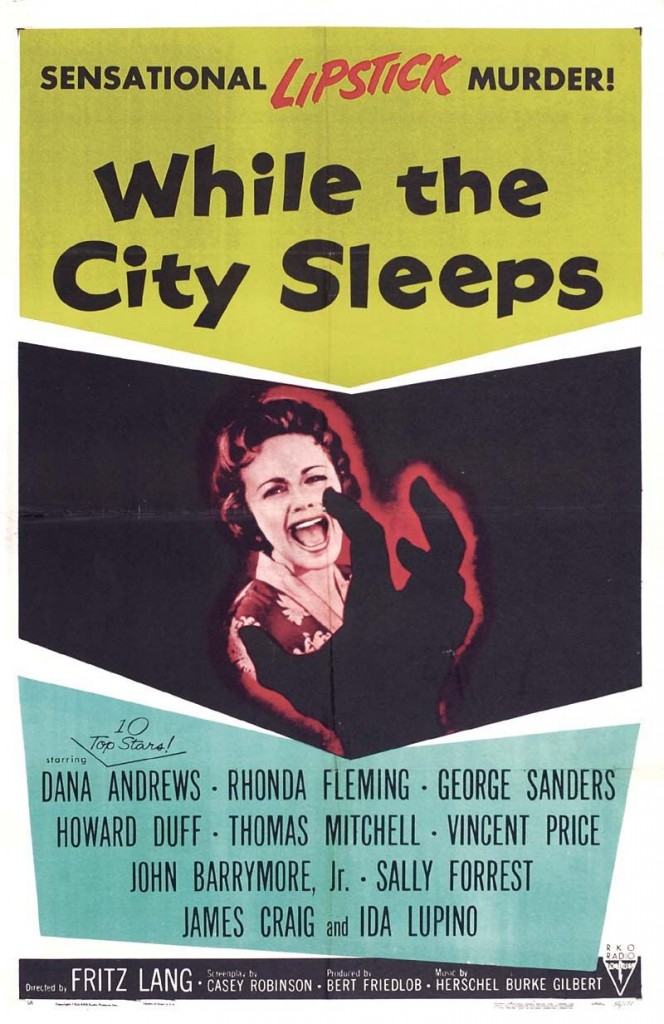
One film that has flown below my “noir-radar” is his 1956 film While the City Sleeps. It is a really effective crime drama about the hunt for “The Lipstick Killer.” It is really engaging and the suspense kept me on the edge of my seat. This is another film of Lang’s that casts a noir favorite, Dana Andrews as one of the main protagonists. As someone mentioned in the comments field of the you tube clip I have included on this post, a depressing side note this film is that it is painfully obvious that Dana Andrews is likely “worse for wear” in many of the scenes as indicated by the inflection of his speech.

All this aside, I hope that more people see the film because it is a really good watch.

Man Hunt (1941) directed by Fritz Lang

I had a pleasant surprise this past week when I was flipping away from Venus Williams’ quarterfinal loss in the Australian Open – Fritz Lang’s 1941 feature, Man Hunt was on!

For a synopsis of the plot, I will refer you to Turner Classic Movie’s encyclopedia of the film.  I will just explain why I like this film.

When I first saw this movie I really enjoyed the premise of the “hunt and the hunted” that kept me on the edge of my seat for the duration of the movie.

As for performance, George Sanders stands out in his “magnificent” portrayal as the Nazi antagonist. TANGENT ALERT Sanders in my opinion was a top-notch good character actor that I feel like too many people do not talk about nowadays. Films that immediately conjure up his memorable performances include Rebecca, Foreign Correspondent, All About Eve, Picture of Dorian Gray, to name a few. When he was a “good guy” he was roguishly so and when he was “not-so-good,” he came off as sly an devlish. In this film that trait makes him so convincing as the Nazi villain to Walter Pidgeon’s noble protagonist.

As someone who was not alive during that time, I have easily fallen under the impression that most if not all WWII movies produced in America were made after our entry into the war (12/7/1941, nearly 6 months after this film’s initial cinematic release). So over the years it has been enlightening to discover that there were many Hollywood productions that dealt with the spectre of war that people must have been feeling if even separated by that war with an ocean.